





One of the greatest privileges we have as outdoor enthusiasts is the opportunity to explore our National Forests. Whether we're camping, hiking, hunting, or traveling remote forest roads in our four-wheel-drive vehicles, these public lands belong to all of us. With that privilege comes an equally important responsibility: leaving the forest better than we found it.
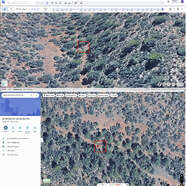
During my pre-run for the "Let's go on a ride away from the typical because riding the same old routes never gets old - right?" ride in Spetember, I located an abandoned utility trailer that had been overturned and left behind on a remote Forest Service road 205A. It had likely been sitting there for quite some time, serving as an eyesore and a reminder of how quickly abandoned equipment can become part of the landscape if no one takes responsibility for it.
Rather than simply taking a photograph and driving away, I began coordinating a volunteer recovery effort to safely remove the trailer from the forest. This involves scouting the route, ensuring the recovery can be completed without damaging surrounding vegetation or roads, obtaining any necessary coordination with the Mountainair Ranger District acting Ranger, and organizing volunteers and equipment capable of hauling the trailer out responsibly.
Projects like this are about far more than removing a single piece of abandoned property. They demonstrate that the off-road community is willing to invest its own time, fuel, equipment, and effort to care for the lands we enjoy. Every bag of trash picked up, every illegal dump site reported, every obstacle cleared from a trail, and every abandoned vehicle or trailer removed sends a positive message to land managers and the public alike.
Public access to our National Forests is not something that should ever be taken for granted. As recreation continues to grow, land managers face increasing pressure to close roads and restrict access when areas are abused or neglected. While many of those problems are caused by only a small number of irresponsible individuals, the consequences are often felt by everyone.
The best way to preserve access is to be good stewards of the land. Respecting closures, staying on designated routes, packing out more than we pack in, volunteering for cleanup efforts, and working cooperatively with land management agencies all help demonstrate that recreationists are partners in conservation rather than part of the problem.
When we choose to take ownership of our public lands—not because we're required to, but because we care—we help ensure these places remain open for future generations. Recovering an abandoned trailer may seem like a small accomplishment, but every positive action contributes to a larger culture of stewardship.
I'll be bringing the car hauler to tow the abondoned trailer to the city for recycling. We will take FS 422 Priest Canyon for about 7.5 miles to FS 205 for a couple of miles, then enter FS 205A from the north where the trailer is sitting.
Rig recommendations:
- lockers helpful but driver dependant
- stock vehicles welcome, but they should have skid plates
- sliders
- tow points (front & rear) and recovery gear
- an appeal for pinstripping
- GMRS radio
- Fire extinguisher
- Full tank of gas
- size spare tire (inflated and know how to change it)
- Seatbelts for the driver and all passengers. (use them)
- Tools for both the vehicle and the environment
- Tire deflation/inflation system
- Working jack (make sure it suites the vehicle)
Bring plenty of water, snacks for energy, tools to clean up, trash bags, and anything you think might help recovery and clean-up efforts.
Questions or suggestions:
jonathan.m.rivera@gmail.com or 505-264-0839
Jonathan