
REGION BACKGROUND: The Zuni Mountains of northwestern New Mexico have a deep history spanning millions of years of geological formation and thousands of years of human habitation and industry.
The mountains are an asymmetrical anticline (a fold in the earth's crust) with a core of Precambrian granite and metamorphic rocks that are over a billion years old.
For millennia, the mountains have been a vital landscape for the Zuni (A:shiwi), Acoma, and Navajo (Diné) peoples. Archaeological evidence suggests the Zuni have farmed the surrounding area for 3,000 to 4,000 years. Native peoples mined the mountains for obsidian, basalt, turquoise, and malachite for tools and ornaments. The mountains sit on the Continental Divide and are surrounded by modern tribal lands, including the Zuni and Ramah Navajo Indian Reservations.
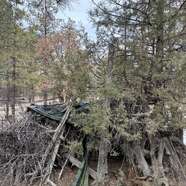
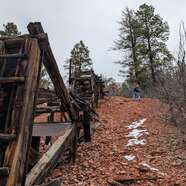
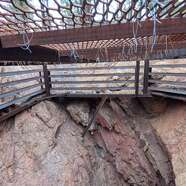
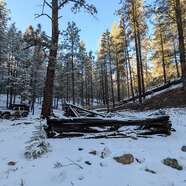
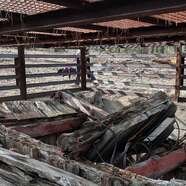
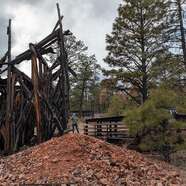
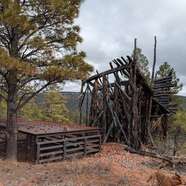
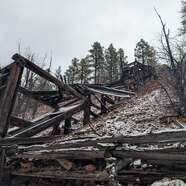
The most intense period of industrial change occurred during the late 19th and early 20th centuries when the mountains became a hub for industrial logging. The completion of the Atlantic and Pacific Railroad (now BNSF) just north of the range in the 1880s provided a way to ship lumber to markets in California and Missouri. To reach deep into the forests, companies built extensive narrow-gauge "logging railroads." You can still see the remains of these historic roadbeds, culverts, and trestles throughout the woods today. By the time the industry faded in the 1940s, hundreds of thousands of acres had been clear-cut, permanently altering the forest's density and ecological structure.
In the mid-20th century, the area saw significant production of copper, silver, and fluorspar. Much of the range was incorporated into the Cibola National Forest starting in the early 1900s to protect watersheds and restore the landscape from the damage of early logging and grazing. Since 1991, groups like the Zuni Mountains Collaborative have worked to thin the forests and use prescribed fire to return the landscape to its historical, more resilient state.
THE RIDES: Since moving to New Mexico, I have been exploring the Zuni Mountains and have developed a deep appreciation for the Zuni's rich history. With each exploration, I am struck by the vastness of the area and how much of the mountains remains to be experienced.
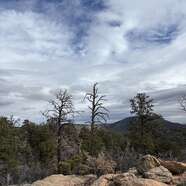
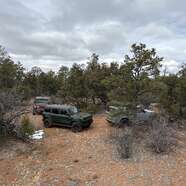
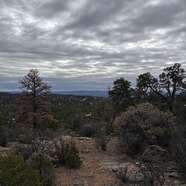
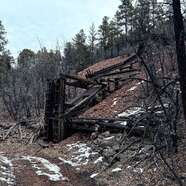
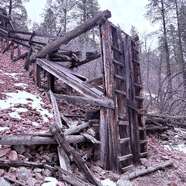
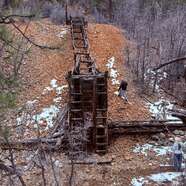
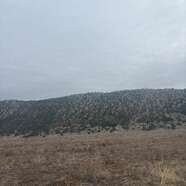
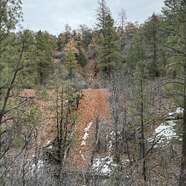
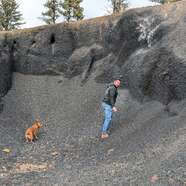
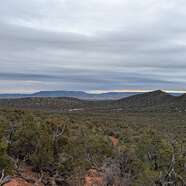
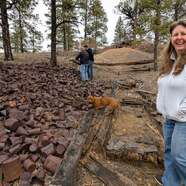
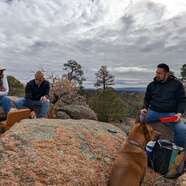
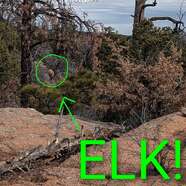
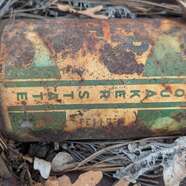
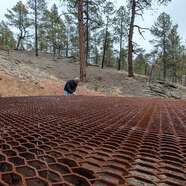
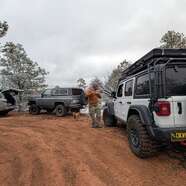
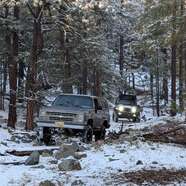
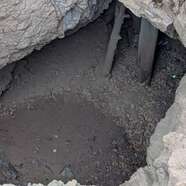
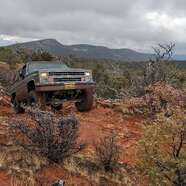
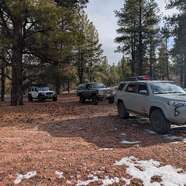
These rides (Friday and Saturday), with two separate groups, were on paths less traveled. The Zuni's are generally an area people DO NOT think about when they talk about off-roading. We rode trails that I only partially scouted; in the past, I either ran out of daylight or determined that the terrain was too technical to navigate while riding solo. Thus, portions of these Friday and Saturday rides were exploratory; each ride different and unique. The rides included a variety of topography, including, but not limited to: Rocky and steep portions, eroded segments, creative line choices, and tight forests where "pinstriping" was a guarantee, smooth zig-zagging forests roads. Max (known) trail rating of 5 - Difficult. https://www.trailsoffroad.com/technical-ratings We were rewarded by the discovery of fascinating historic sites, wild and domestic animals, geographic wonders including volcanic remnants surrounding the calderons, and spectacular views.